OT & Functional Fitness

A typical day for me as a (~pandemic~) student included waking up 10 minutes before Zoom class to make coffee, attend said Zoom class for x amount of hours, walk my dog, do my workout of the day, and study. This is something I can be pretty proud of: that I was able to fit in a regular workout routine, and do a few weightlifting competitions, while juggling the crazy stress of OT school (and work on the weekends!). In my humble opinion, these two areas go hand-in-hand pretty perfectly. I would even argue that fitness, or any physical activity, is essential in performing one’s desired occupations. In fact, fitness/sports/exercise IS an occupation!

So, naturally, for my final school project I wanted to delve into the field of functional fitness in OT. Here’s what I found from a 2014 systematic review from the European Review of Aging and Physical Activity that focused on functional training on muscle strength, physical functioning, and ADLs in older adults:
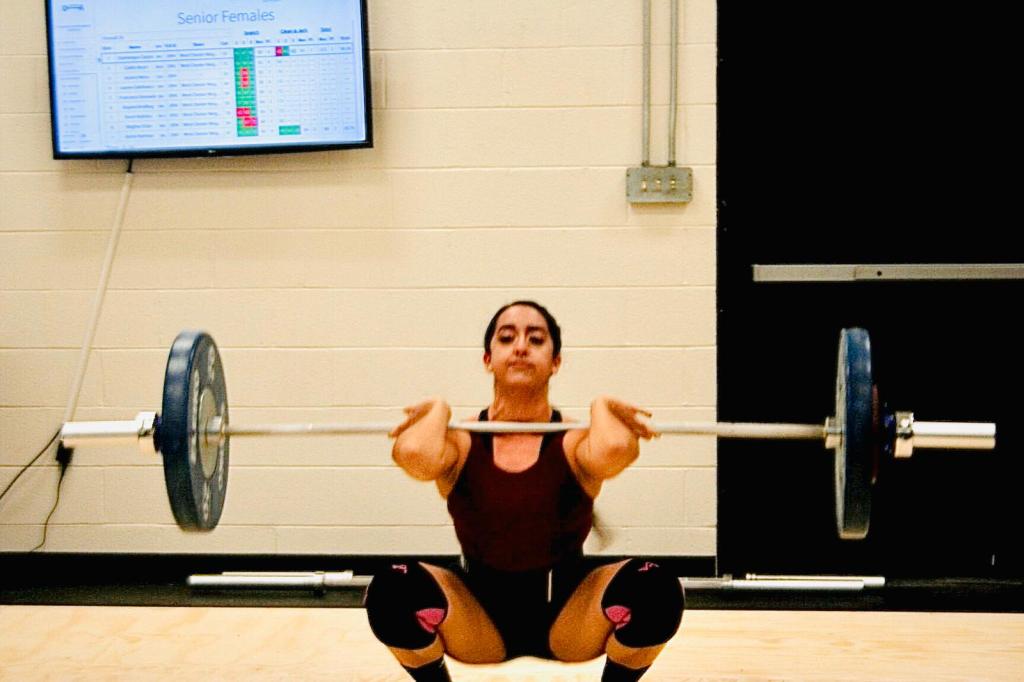
Fitness, or any physical activity, is essential in performing one’s desired occupations. In fact, fitness/sports/exercise IS an occupation!

~The Uplifting OT

Purpose

  • The goal of functional training is to optimize the competence of an individual to do a certain task
  • To increase independence

The Low-Down

  • The functional training in the reviewed trials included a strength component, balance component, mobility tasks, or daily tasks
  • Most of the training programs were 12 weeks, 2-3 times per week, 45-60 mins. per session.
  • Both simple daily tasks (such as standing up from a chair) and complex daily tasks (such as vacuuming) require cooperation between multiple muscle groups and body motor elements in order to carry out the task. Some motor elements may be more essential than others.

Element-Based vs. Task-Specific-Based Functional Training

  • Functional training designed to improve an individual’s ability to perform a certain daily task can target either essential elements of a task (element-based functional training) or all elements (task-specific-based functional training).
  • Examples:
    • Element-based functional training: performing exercises such as step-up or squats to improve lower extremity strength
    • Task-specific-based functional training: combining functional movements with weight or speed, such as sit-to-stands while holding a weight

Results

  • 3 trials showed that functional training is more effective than structured training alone for improving ADLs.
  • Functional training facilitates multiple muscles and body motor elements acting together which simulated how people perform an ADL. The finding also supports the specificity of training principle.
  • The best gains in performance are achieved when the training closely mimics the performance. Therefore, functional training may be a better option than muscle strength training alone if the goal is to reduce ADL disability in older adults.
  • Further research is needed.

With love,

Dominique, OTR/L

Source:

Liu C., Shiroy, D.M., Jones, L.Y., Clark, D.O. (2014). Systematic review of functional training on muscle strength, physical functioning, and activities of daily living in older adults. European Review of Aging and Physical Activity,95–106.
Functional Fitness in OT: The Adapted Deadlift for SCIs and Wheelchair Users

Hey hi helloooo, I’m back! I’ve kind of been enjoying my time not studying and instead spending time with family and friends, doing hobbies, and reading non-OT books! I’ve been in the job application phase of life, but I have to be honest, it doesn’t feel right to not be immersed in the world of OT, so here I am trying to get back into it and educate myself right along with you guys!

I am an OTR, however I am not a doctor and this is not medical advice. Please consult your doctor prior to starting any exercise regimen. Even so, therapists, remember that this advice is not the end-all, be-all. Always consider the patient’s clinical profile, strengths, weaknesses, goals, and use your clinical reasoning!


The Conventional Deadlift: Benefits

I know a LOT of people both in and out of the fitness community have an opinion on the deadlift. As someone who has had low back injuries, I will admit that I think it should be limited to who does it, how often, and for what reason. That being said, you can’t deny that it is one of the most functional movements. We deadlift when we pick up a baby from the floor, when we’re hauling bags of salt or mulch from the floor of Home Depot to our shopping carts and home, picking up a heavy bag, lifting furniture… the possibilities are endless. Deadlifting with adequate strength and proper form is ESSENTIAL.

However, how can this benefit the individual with an SCI? Or a wheelchair user? It can still be functional! Individuals can still use it to pick up an object from the floor to their lap (and vice-versa), performing in sports, or even for the additional core and back strength gained from this movement which will enhance engagement in occupations.


Anatomy

What are you working when you conventional deadlift? What can you feel? Mainly:

  • All the back muscles (especially low back!)
  • Glutes
  • Hamstrings

4 Variations for the Adapted Deadlift

There are probably a whole lot more than the ones mentioned in this video. These can be great as a progression from beginner to advanced:

1. Bodyweight Goodmornings

2. Sled pulls

3. Dumbbell or kettlebell deadlifts

4. Adapted deadlift


And that’s the gist of it! I briefly mention sports wheelchairs because these are often seen in Adaptive CrossFit or other adaptive strength sports. Also, I just wanted to learn more about them and they’re really cool so I highly implore you to look them up! They tend to not have brakes, so balance and core stability are needed to use them, and sometimes even a partner to help stabilize the chair when doing certain exercises.

I really hope you guys enjoyed this and I hope it was at least a tiny bit helpful and informative! Please let me know if you have any comments or advice for me.

With love,

Dom ❤


How I Got Into OT School With a (Very) Low GPA

Summary: Your GPA does not define the kind of health practitioner you can/will become.

Hello hello! A fun fact about me is that one time I recorded this video about how I got accepted to my OT program despite having a low GPA because I feel my story is relatable to so many people and could help a lot of students! However, I was too shy to upload it for an entire year. LOL. But here we are, up and running on YouTube!

My journey to and through OT school has been nothing short of a roller coaster ride, but like I said in this video, I could not have even put my foot in the waters and made it this far without God. I truly feel called to this career and it still feels so surreal to call myself an occupational therapist (not registered and licensed yet, of course ;)).


The Deets

As promised, here are the points I talked about in the video that go more into detail. For reference, I started OT school in Fall 2019 and graduated Fall 2021 from Delaware State University.

Prerequisites: I had to take 8 prerequisite courses after I graduated from undergrad, two of which I re-took to earn a better grade. Of course, this was a longer, more expensive path. If you are in undergrad and already know you want to pursue OT, I HIGHLY recommend choosing a major that will cover most or all of your future OT program’s prerequisite courses. Look at the grad schools you think you will apply to and choose a major based off of that. This is usually Exercise Science, Psychology, or some other type of health science major.

Essays: In my essays, I explained why my grades/GPA lowered but what I did to improve them by the time I graduated. I didn’t make it a sob story, but I did mention that I went through some personal hardships that I let hurt my grades, and what I did to turn it around and improve my GPA. Some schools require different topics to write about, but I made sure that I mentioned this point!

Volunteer/Shadowing Hours: I did 100 hours at a SNF and ~20 in acute care. I realize I could have had more diverse settings (which I highly suggest) but it’s difficult to do so where I live.

Letters of Recommendation (LOR): I submitted 1 LOR from the OTR that I shadowed at the SNF, and 3 from supervisors from my former jobs (in the video I said 2 but I remembered it was 3! 2 chiropractors and 1 PT). I believe most schools require at least 1 LOR from an OTR, so make sure to build good rapport with your OTs. Make good first impressions and put in effort in helping or asking questions! I also suggest getting a job in healthcare for your other LORs if possible.

Why I chose the schools I applied to/Why I chose not to take the GREs: I chose the schools I applied to based off places I wanted to live/get a job at and schools that did NOT require the GRE. I have never been a good test taker no matter how hard I study, so I did not want to risk having another low score/number on my applications. Funny enough, I wanted to move out of DE but my school was the only school I was accepted into. #Life.

What I did during my gap years/waiting: I worked part-time as a chiropractic assistant/receptionist, and then as an exercise technician, while completing my prereqs part-time at a local community college. I wanted to make sure I took 1-2 classes per semester to focus on those classes and make sure I got As/Bs in them. While this is a MUCH longer process, it helped me in the end, plus I got to save up money for school!

What I would’ve done if I didn’t get accepted the first time:

  • More volunteer hours in other settings
  • More LORs from OTs
  • Redo apps and essays explaining what I did differently during my gap year to better prepare myself for OT school
  • Redo low prereq grades if needed
  • Continue working in a healthcare setting for experience and $$$

Other application tips: Get involved in research projects, volunteering, clubs, etc… anything related to OT/rehab/disability/health in undergrad and list them in your applications! What did you do/learn/accomplish? Experience serves where grades may be lacking.


**Important note I forgot to mention: While I graduated undergrad with a 2.9, my prereqs made my overall GPA come up to about a 3.3. I am sorry this is such a long video and I tried to make it as simple as possible while covering as much as I could! Please let me know if you have any questions or if you want me to explain anything. You can reach me on here, commenting on the video, or DM me on IG: @domcarrp.


“God is not unjust; He will not forget your work and the love you have shown Him as you have helped His people and continue to help them.” -Hebrews 6:10

-Dominique

Last-Minute Gift Ideas for the Healthcare Worker in Your Life

I am a firm believer in spending this Christmas/Advent season reflecting on its true meaning and spending your extra time and money into helping those in need! That being said, it’s never a bad idea to give a gift to someone special in your life and spread joy all around this most joyous time of year!

If you are still in need of some last-minute Christmas shopping for the healthcare worker in your life, I got you. I tried to focus these on Amazon Prime items for that 2-day delivery we all rely on a little too heavily sometimes! Enjoy, and let me know what you healthcare workers would love to receive under the Christmas tree/stocking this year!

For the Fitness Fanatic

Naturally this section has to go at the top!

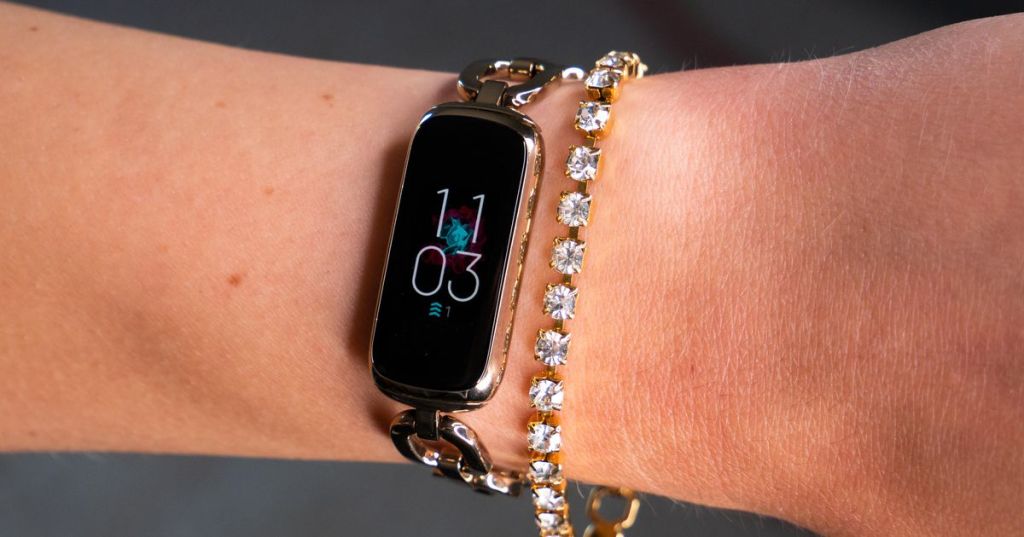
  • I love Fitbits and they are perfect to track steps, exercise, sleep, and menstrual cycles. I personally have never owned an Apple Watch, but Fitbits are less pricey and more focused on fitness in comparison to an Apple Watch.
  • Workout clothes from Amazon are never a bad idea.
  • These leggings. Just these leggings. And everything from Belle & Bell, but particularly their leggings (and their joggers I heard are amazing too).
  • JUNK headbands are perfect for those who go straight from the gym to work (or from work to gym)! Or just for bad hair days. There are sooo many designs to choose from and they’re lightweight and comfortable!
  • A personal blender to take those protein shakes on the go!
Fitbit Luxe

For the Fashionista

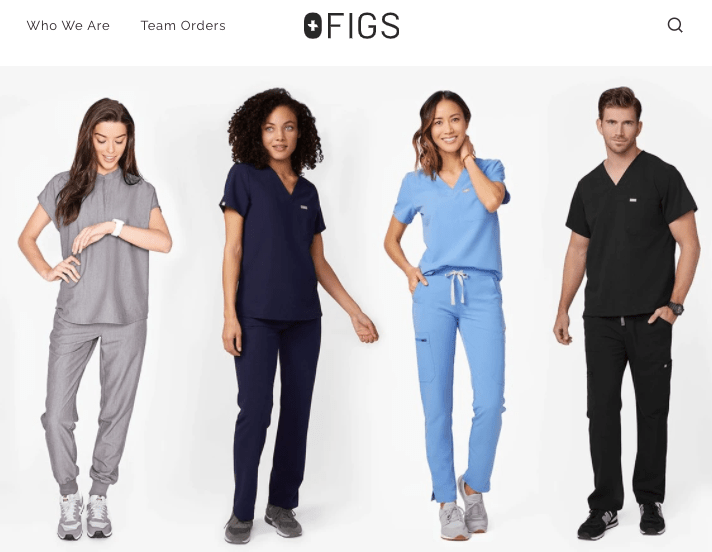
  • Everybody wants a pair of Figs scrubs, but if you have to choose one item, their joggers are highly rated.
  • A cute scrub jacket for those chilly hospitals!
  • This laptop backpack that I literally just saw on Amazon right now and now I want one.
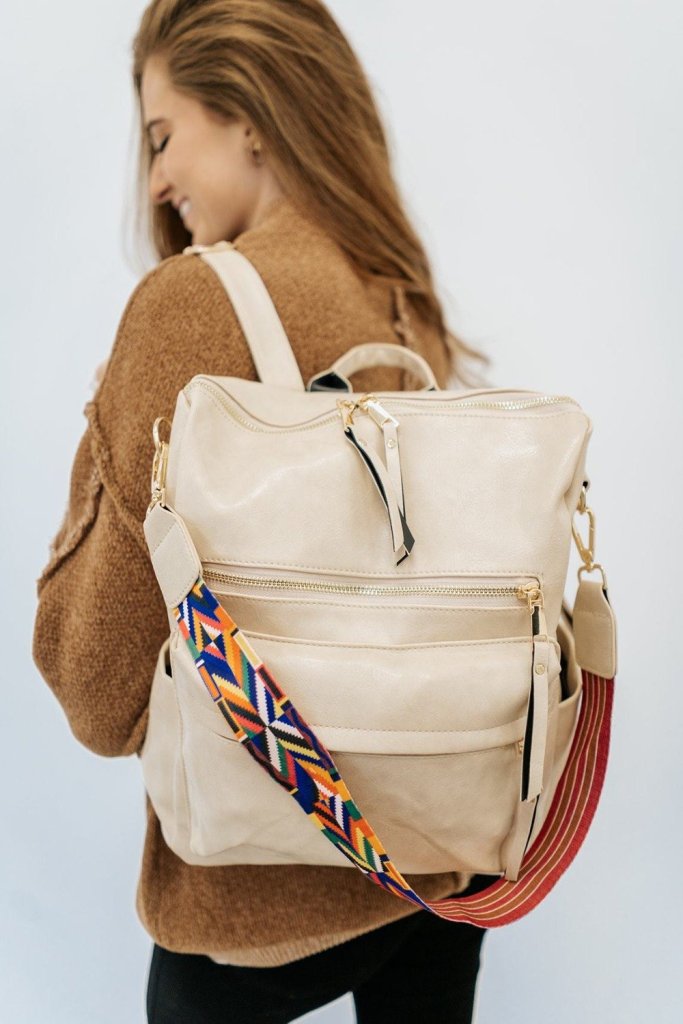
  • Actually, this bag from Modern + Chic boutique is even cuter.
Cutest bag ever
  • I have a case very similar to this one and it’s perfect to hold your scissors, tape, hand goniometers, stethoscope, etc.
  • This cute insulated lunch bag holds all the meal preps and all the snacks.
  • Stoggles are fashionable goggles for those who are required to wear them at work or with contact precaution patients. I was told there is a more affordable version on Amazon and you can add your prescription to them if you wear glasses!

For the “My Feet/Back Hurt”

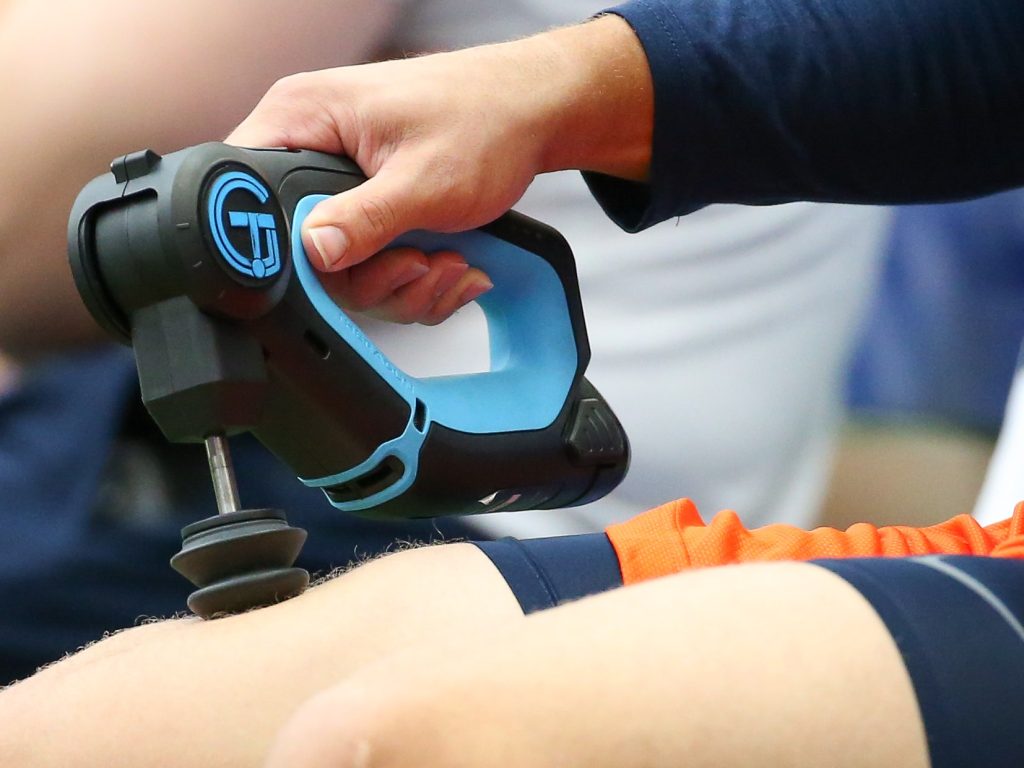
A theragun for when we strain our backs
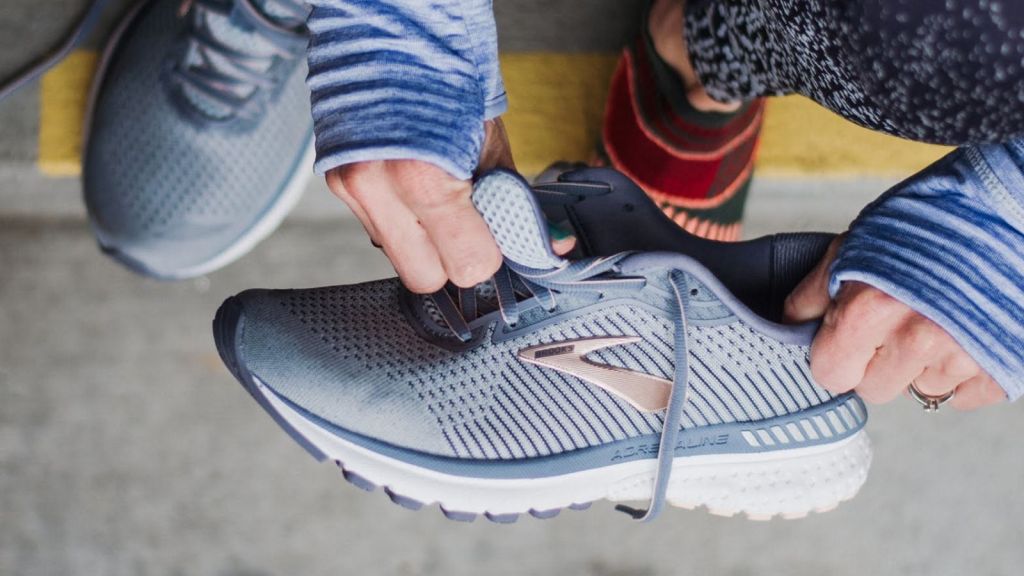
  • Brooks running shoes are my personal favorite, and they can be worn both for work and for running/jogging!
  • I personally wore these for my clinicals. They are minimalist shoes, meaning they have no support and are very flexible. I recommend these for people who are more familiar with minimalist/barefoot shoes or are not prone to foot injury. I have flat feet, but I was able to ease into these over the course of a few weeks. They are so lightweight, comfy, and easy to hide stains! I get asked about them all the time!
  • Compression socks. I have personally never used them but they seem to be helpful in minimizing swelling and soreness from a day of being on your feet.
  • A theragun is on my wish list! Theraguns, or massage guns, are used to reduce muscle inflammation, soreness, and help break up adhesions or knots. They are perfect for neck and back soreness from work or workouts.

For the Sleep Deprived (i.e. all of us)

  • There are so many different spa kits on Etsy that include handmade soaps, bath bombs, candles, etc. Tea kits are also perfect for the tea lover to help relax after a long and painful shift!
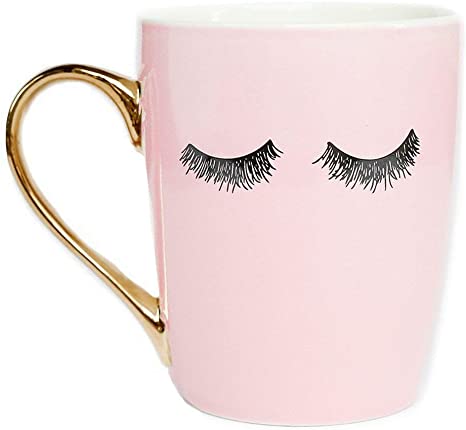
  • For the coffee lover – their favorite coffee blend with a pretty coffee mug is a perfect gift!
  • I recently discovered Clevr Blends and am OBSESSED. If you love coffee, matcha, cocoa, or chai lattes with added superfoods and health benefits, you will LOVE this company.
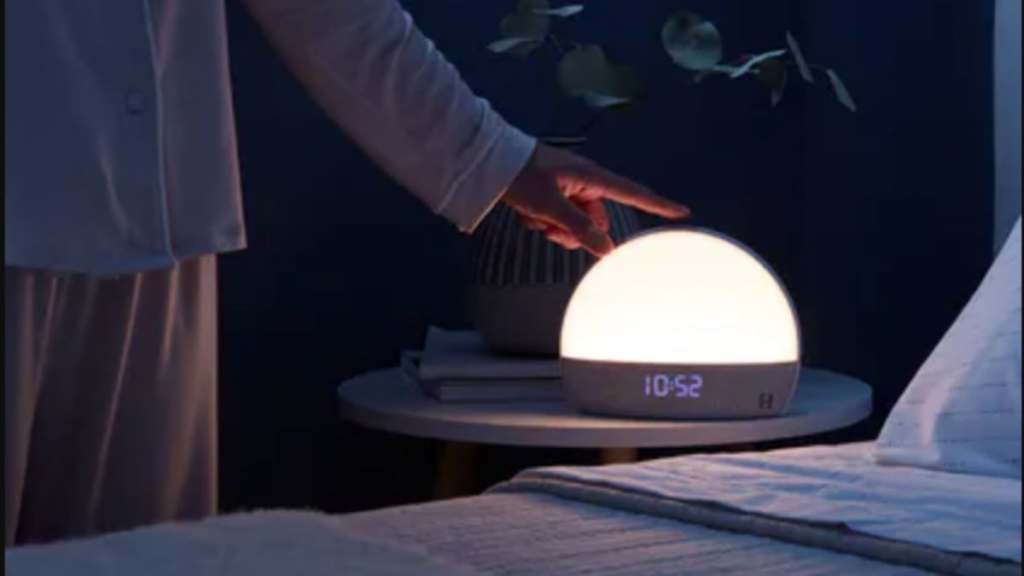
  • The Hatch Restore alarm clock. This is something I wish I would have put on my wish list, but it is a pricier item. However, it’s highly rated for improved sleep quality due to it’s natural sounds, soft lights, meditation options, and a light feature that mimics sunrise for those of us who struggle waking up in pitch black darkness!
  • These CBD gummies from Charlotte’s Web are another highly rated item for improved sleep and recovery.

Stocking Stuffers & Extras for Work

  • Hand lotion, hand sanitizer, elastic bands for hair, and, as much as it pains me to type this, a pack of surgical masks. The hospital I did my clinical at ran out of masks at times, so it was easier for me to grab one out of my backpack instead of walking to the front desk which was a farther walk!
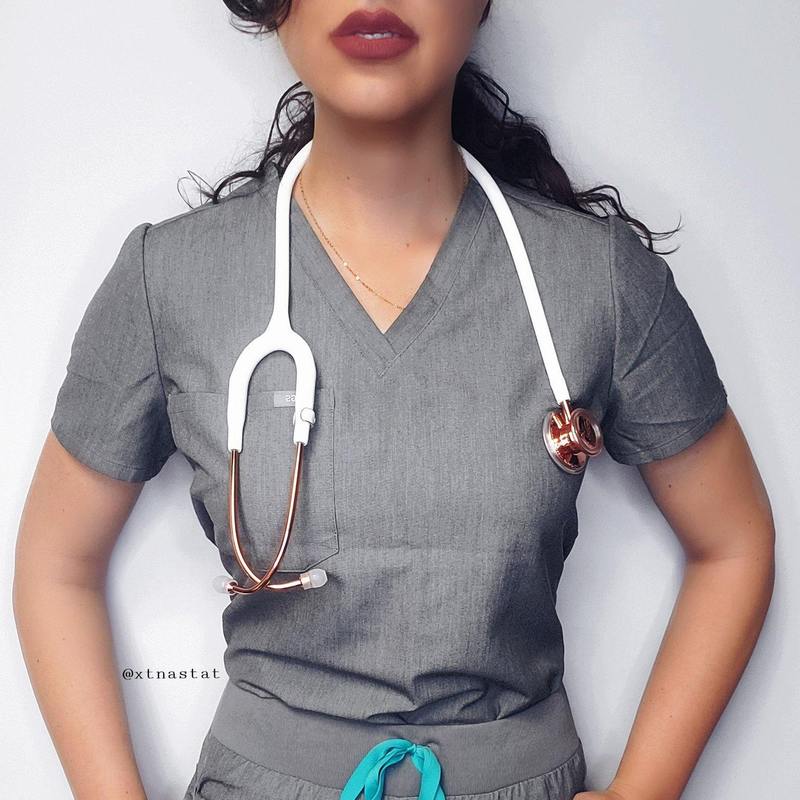
  • Who wouldn’t want a new and pretty stethoscope? I’m drooling over this white and rose gold one, ugh. #Healthcareworker.
  • I have to include these odor blockers. I’m doing better now with bad smells, but these were my life savers when I first started in inpatient (don’t judge me LOL)! Of course, a small jar of Vick’s is always a perfect alternative option, but the odor blockers support a small business on Etsy! 🙂
  • There are several cute badge reels on Amazon or Etsy and it’s always fun to switch them up!
  • I am a sucker for cute headbands, hair ties, and scrunchies like these. They just add a pretty way to stand out from the usual work attire, and I think most girls would agree!
  • Pens on pens on pens. You can never go wrong with gifting a pack of good quality pens because we are always losing them, so this would make a great stocking stuffer! Add highlighters to this too!
Rose gold stethoscope, yes please.

That’s it! I hope you guys enjoyed reading this fun and hearty post as much as I enjoyed writing it! Merry Christmas and Happy New Year!

-Dominique

Inclusivity During the Holidays: Tips on Hosting with Individuals with Disabilities

It’s turkey szn! I have been working with individuals with disabilities for the past 6 years. If I can share anything, it’s through what I learned from those individuals, both children and adults, combined with my educational background. Here are some tidbits for caregivers, individuals with disabilities, or anyone who would like to gain insight into this unique world during the holidays. These tips are especially helpful for this holiday season or any social gathering! Happy eating!

Dietary Needs

Dysphagia is a swallowing disorder that makes swallowing food or liquids difficult for the individual. There are several different causes of dysphagia ranging from neurological disorders to developmental or muscular conditions. The important thing to note is that individuals who have dysphagia will need to be put on a modified diet, depending on the severity. Always double check with the individual or their caregiver. The following tables include the types of diets and what they entail.

Examples of foods for dysphagia puree diet:

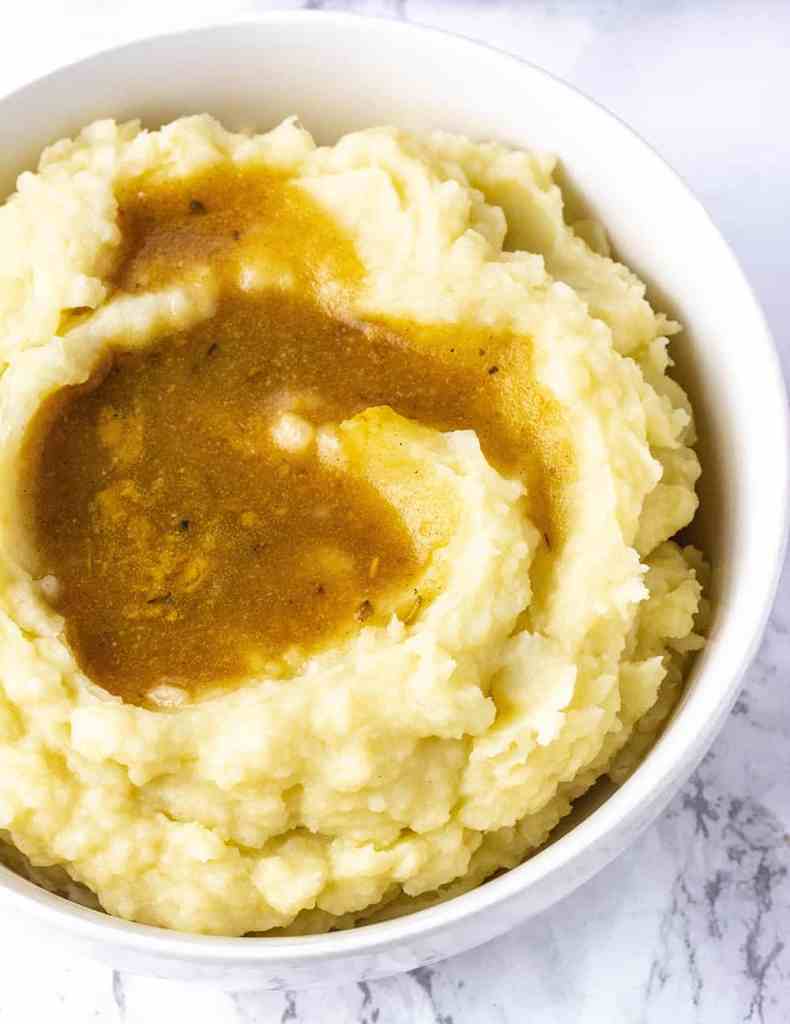
Level 1: dysphagia pureed/extremely thickThese foods are pureed and require no chewing (i.e. applesauce, pudding, mashed potatoes with gravy)
Level 2: dysphagia mechanical soft/minced and moistThese are moist foods that need some chewing (i.e. mac & cheese, cooked vegetables, scrambled eggs)
Level 3: dysphagia advanced/softThese are soft-solid foods that require more chewing (i.e. peanut butter, crackers, soft meats)
Regular dietAll foods

Level 1

Level 2

Level 3

Thanksgiving but make it ~dysphagia friendly~


Liquid diet:

Level 1: slightly thick/nectar thick liquidsThis liquid coats and drips off a spoon like a lightly set gelatin. This consistency requires a little more effort to drink than thin liquid, but it is easier to control the swallow and can flow through a straw.
Level 2: mildly thick/honey thick liquidsThink: honey flowing off a spoon. This consistency is difficult to drink through a standard straw.
Level 3: moderately thick/pudding thick liquidsThis liquid stays on a spoon in a soft mass but will not hold its shape. It pours slowly off a spoon and is difficult to sip through a wide-bore straw.
These liquids will require specific thickeners to create the desired consistency

Don’t forget about positioning when it comes to eating. We want to make sure the person is seated with adequate posture to prevent choking and increase ease of swallowing. This applies to everybody when eating!

Mobility Aids

Mobility aids include wheelchairs, walkers, rollators, etc. People who use mobility aids should ensure enough comfort using their aid in the community prior to scheduled gatherings/events. To increase confidence, ensure the home is accessible. For example, wheelchair uses will require wider spaces and many will require a ramp to enter the home.

Adaptive Equipment

Here are common adaptive equipment used in certain populations. Knowing what they can be used for will increase everybody’s confidence in large gatherings!

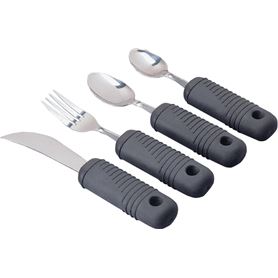
Built-up utensils

  • Used for difficulty gripping regular-sized utensils.
  • These utensils are usually bendable for those with limited wrist range of motion.

Weighted utensils

  • These look like built-up utensils (see above) but with added weight for people with tremors or those who need an extra sensory cue for proprioceptive feedback.
  • For individuals with Parkinson’s Disease, stroke recovery, or other sensory impairments.

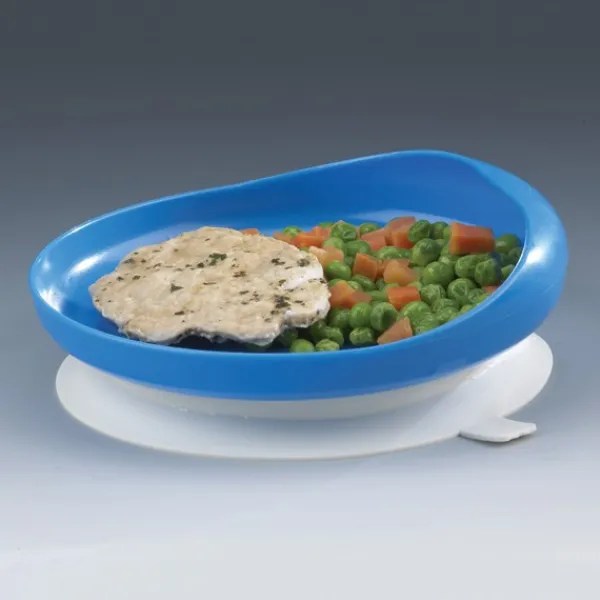
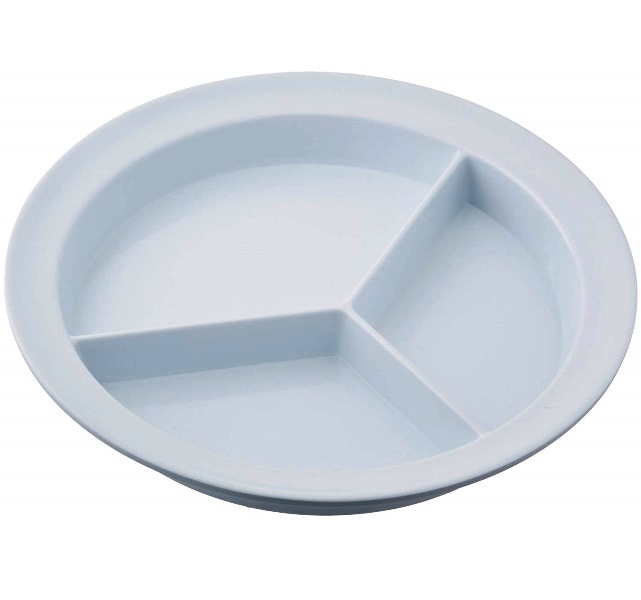
Scoop bowls and divided plates

  • Scoop bowls are what they sound like. They make scooping food a lot easier for people who have difficulty with the fine motor control needed to scoop food from a flat plate, as they can use the higher, rounded “wall” of the bowl to scoop food onto their spoon (or spork)!
  • Divided plates are best for individuals with dementia or with low vision to be able to find their food more easily. They could also be great for children with sensory needs who prefer to not have their food touch and get mixed together!

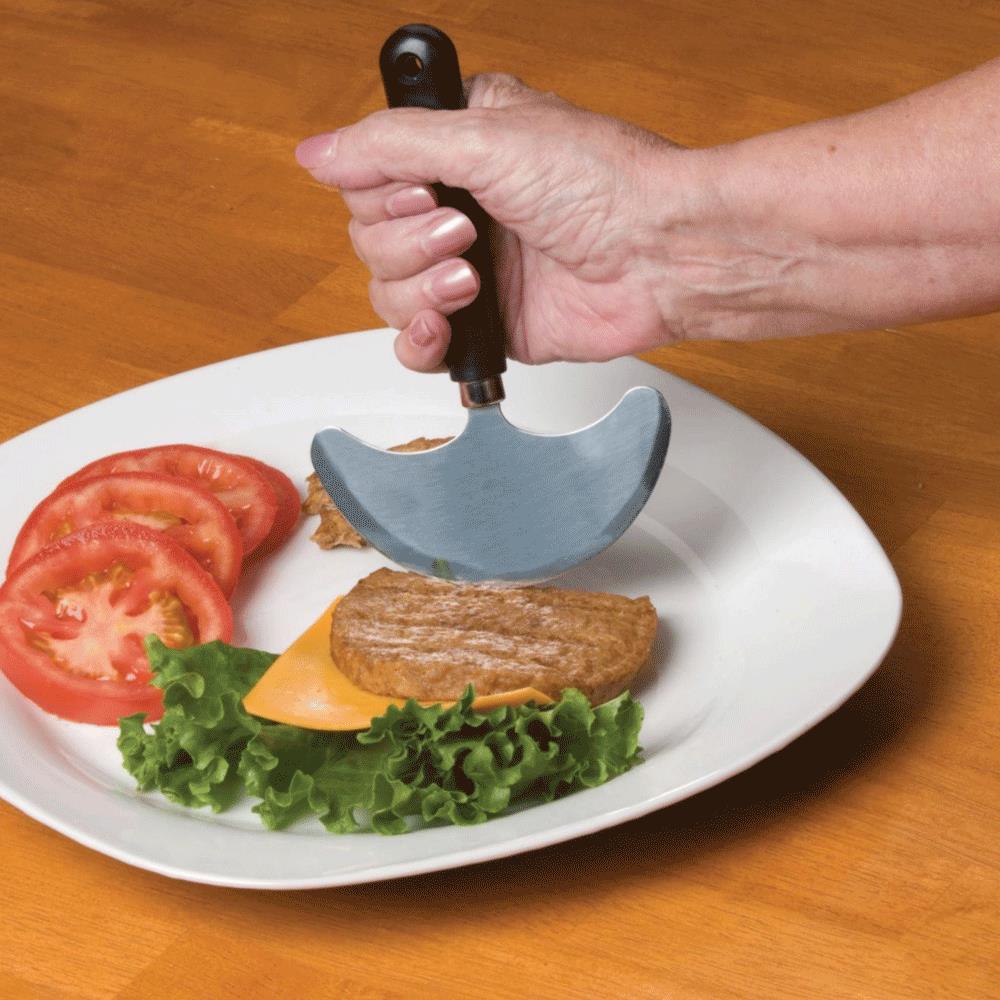
Rocker knife

  • This knife helps the user cut their food with one hand.
  • Best for people who have one-sided weakness or difficulty with fine motor control that inhibits them to cut food safely with both hands.

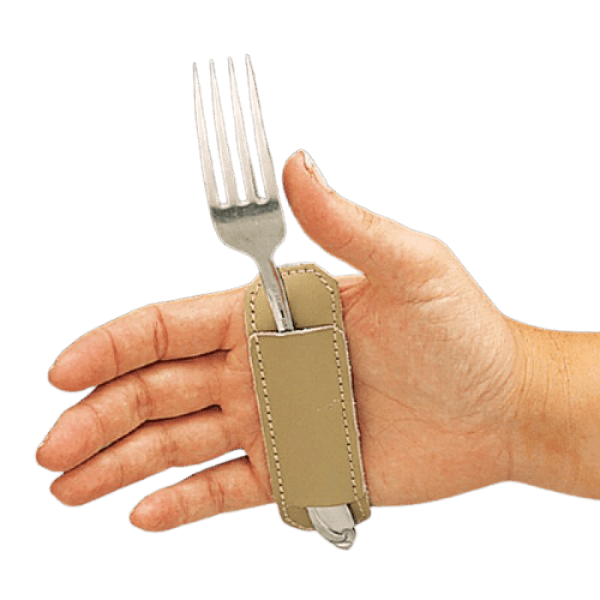
Universal cuff

  • Universal cuffs can be applied to many objects. Their overall purpose is to help the user grip the object.
  • For people with hand/grip weakness. This allows the individual to feed themselves without having to close their hand and grasp the utensil.

Summary

  • Communicate with the guest/host and ensure all needs are met before the start of the gathering. This will ensure comfort and confidence from everybody and allows everyone to focus on what’s most important: gathering with your loved ones during this blessed time and eating all the food!
  • If a guest has dysphagia, make sure you know their specific diet level for both foods and liquids.
  • Be mindful of mobility aids and the space and needs required for the person using them.
  • Adaptive equipment can be helpful for certain needs, however if none is used, the individual may need assistance with feeding and eating their meal.

Happy Thanksgiving! May your hearts and bellies be full. ❤

-Dominique

Welcome!

IMG_20210827_162955_063Hello and welcome to my first blog post! My name is Dominique and I am very excited and grateful that you are here reading this. I want this blog to be fun yet informational as it will include a variety of topics ranging between occupational therapy, fitness, and health! All of my favorite things. 
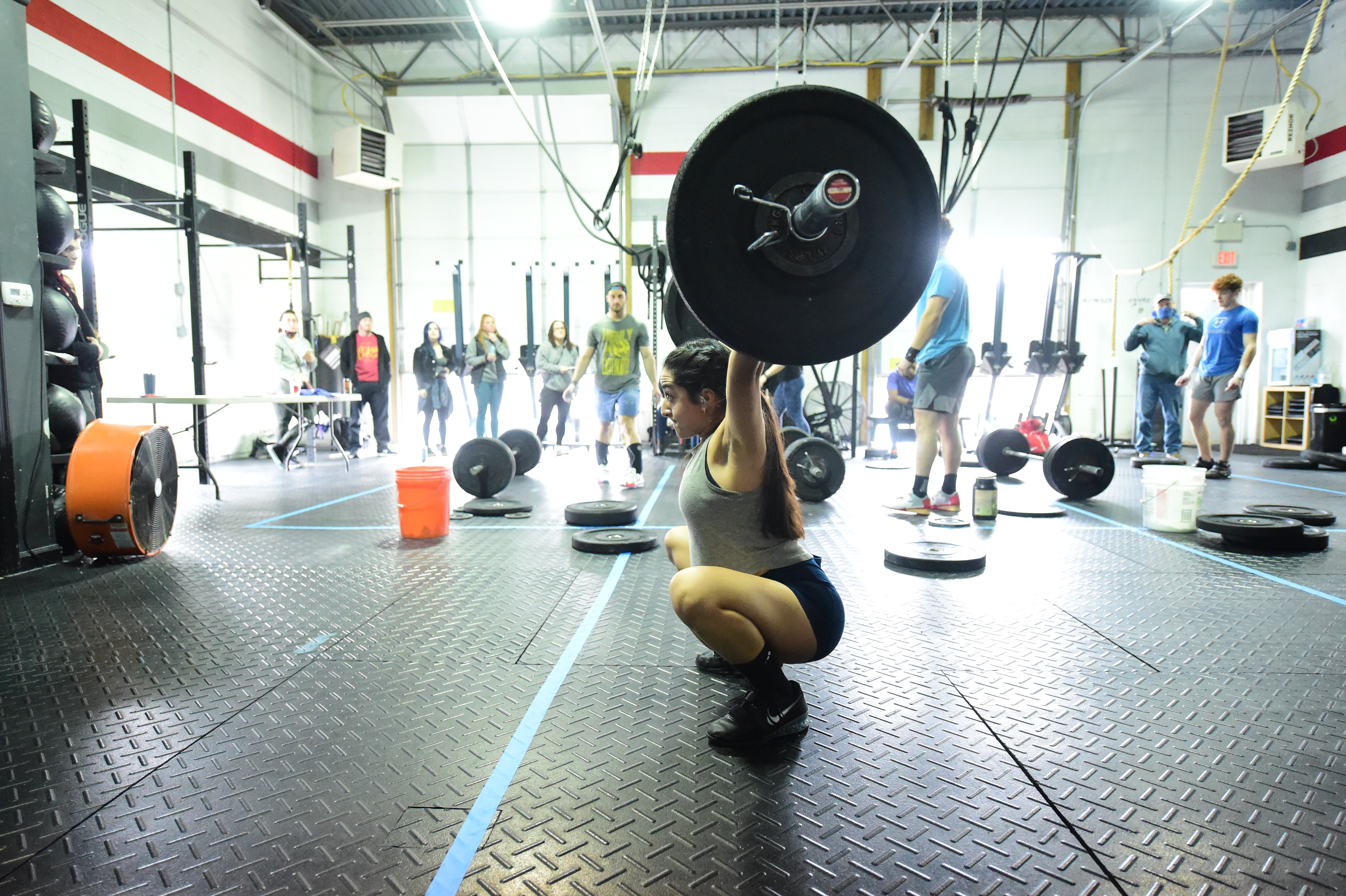
As a quick background, I just finished my fieldwork for OT school and officially graduated earlier this month (!!!). I am currently taking some time off before I study for boards so here I am creating a blog instead. 🙂 Before the quarantine in 2020, I was a competitive weightlifter and CrossFitter. I now continue weightlifting and strength training for fun and in hopes of competing again in the near future. I hope to combine fitness/exercise into OT as it is a HUGE occupation that a lot of clients look to return to engaging in post-injury/disability/surgery/etc. I mean, who wouldn’t want to return to moving their body and improving their health? Exercise can be used as both a top-down and bottom-up approach for helping the client perform their other desired occupations… buttt that’s another post for another day!

2_27_21_SupTot_0072

Photo by @ryan_samson_photos on IG!

I also just want this blog to be an overall “safe space” for other fellow OTs or OT students who are looking to gain more information, advice (or even give me and others advice!), and tips on the field, as well as on fitness, health, and exercise. I had a lot of struggles in school and there were many times I wasn’t sure I would make it but by the grace of God I did. Because of those struggles, I can now feel confident that I will be a competent practitioner who can lift and uplift others. See what I did there?

Peace, love, & OT,

Dominique