It’s turkey szn! I have been working with individuals with disabilities for the past 6 years. If I can share anything, it’s through what I learned from those individuals, both children and adults, combined with my educational background. Here are some tidbits for caregivers, individuals with disabilities, or anyone who would like to gain insight into this unique world during the holidays. These tips are especially helpful for this holiday season or any social gathering! Happy eating!
Dietary Needs
Dysphagia is a swallowing disorder that makes swallowing food or liquids difficult for the individual. There are several different causes of dysphagia ranging from neurological disorders to developmental or muscular conditions. The important thing to note is that individuals who have dysphagia will need to be put on a modified diet, depending on the severity. Always double check with the individual or their caregiver. The following tables include the types of diets and what they entail.
Examples of foods for dysphagia puree diet:
| Level 1: dysphagia pureed/extremely thick | These foods are pureed and require no chewing (i.e. applesauce, pudding, mashed potatoes with gravy) |
| Level 2: dysphagia mechanical soft/minced and moist | These are moist foods that need some chewing (i.e. mac & cheese, cooked vegetables, scrambled eggs) |
| Level 3: dysphagia advanced/soft | These are soft-solid foods that require more chewing (i.e. peanut butter, crackers, soft meats) |
| Regular diet | All foods |
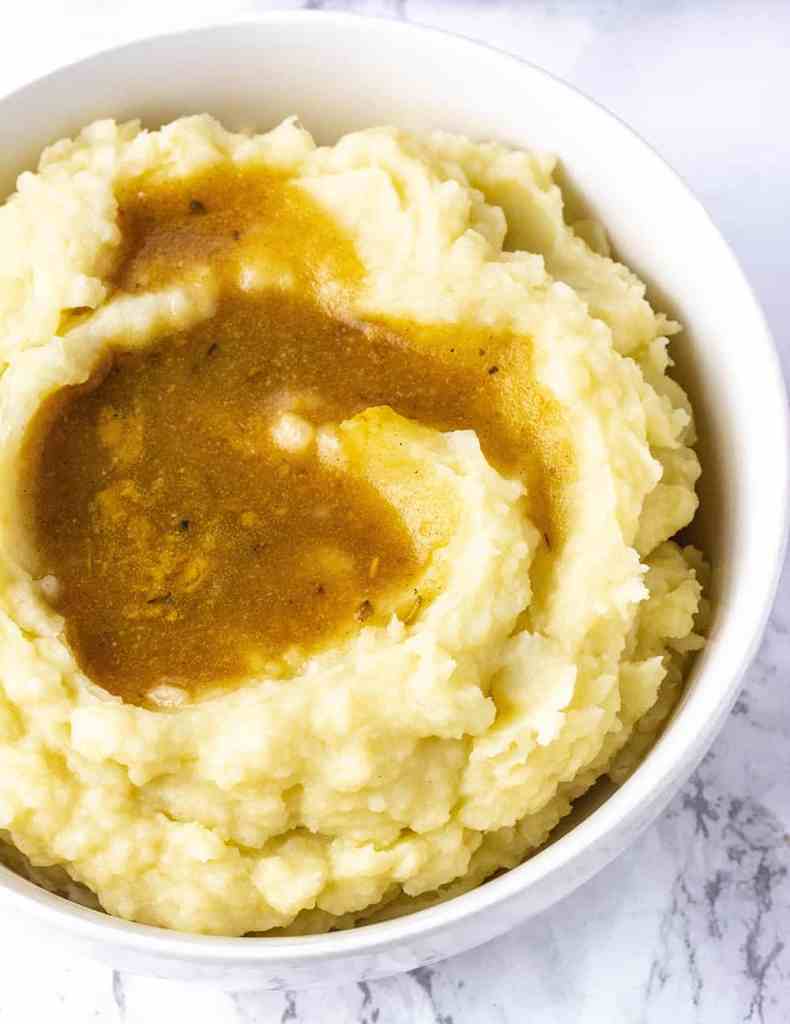
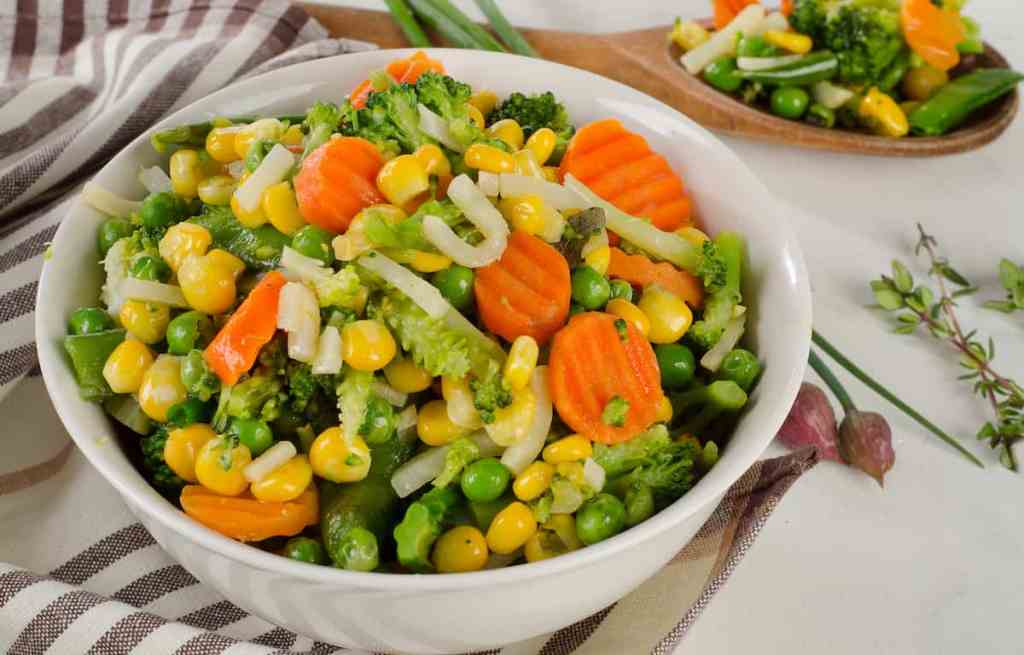
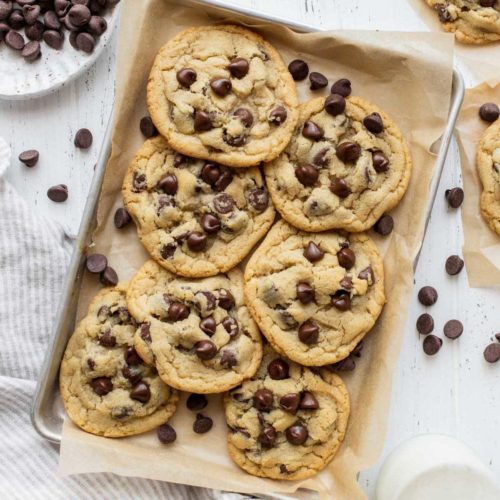
Level 3
Thanksgiving but make it ~dysphagia friendly~
Liquid diet:
| Level 1: slightly thick/nectar thick liquids | This liquid coats and drips off a spoon like a lightly set gelatin. This consistency requires a little more effort to drink than thin liquid, but it is easier to control the swallow and can flow through a straw. |
| Level 2: mildly thick/honey thick liquids | Think: honey flowing off a spoon. This consistency is difficult to drink through a standard straw. |
| Level 3: moderately thick/pudding thick liquids | This liquid stays on a spoon in a soft mass but will not hold its shape. It pours slowly off a spoon and is difficult to sip through a wide-bore straw. |
Don’t forget about positioning when it comes to eating. We want to make sure the person is seated with adequate posture to prevent choking and increase ease of swallowing. This applies to everybody when eating!
Mobility Aids
Mobility aids include wheelchairs, walkers, rollators, etc. People who use mobility aids should ensure enough comfort using their aid in the community prior to scheduled gatherings/events. To increase confidence, ensure the home is accessible. For example, wheelchair uses will require wider spaces and many will require a ramp to enter the home.
Adaptive Equipment
Here are common adaptive equipment used in certain populations. Knowing what they can be used for will increase everybody’s confidence in large gatherings!
Built-up utensils
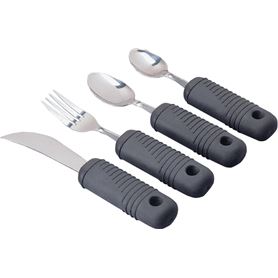
- Used for difficulty gripping regular-sized utensils.
- These utensils are usually bendable for those with limited wrist range of motion.
Weighted utensils
- These look like built-up utensils (see above) but with added weight for people with tremors or those who need an extra sensory cue for proprioceptive feedback.
- For individuals with Parkinson’s Disease, stroke recovery, or other sensory impairments.
Scoop bowls and divided plates
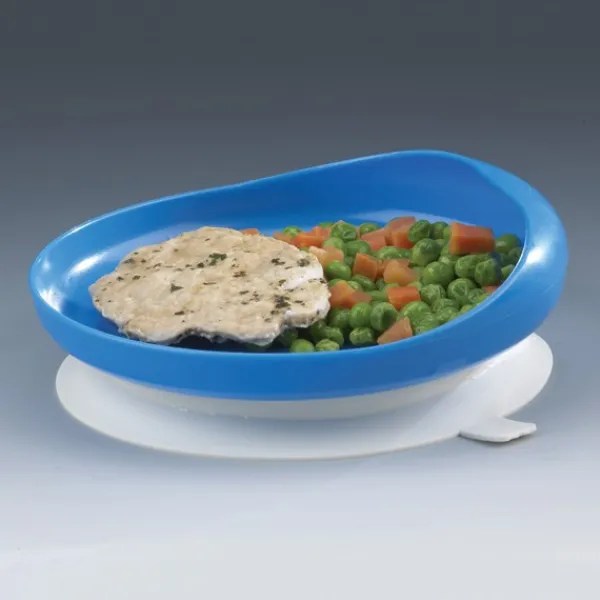
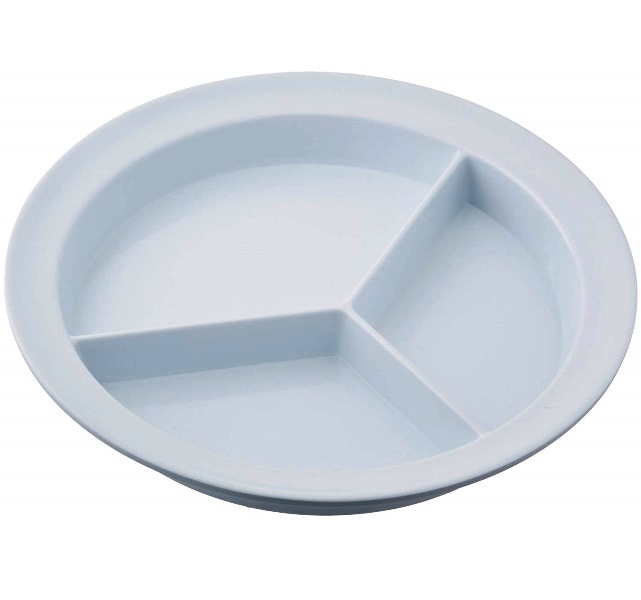
- Scoop bowls are what they sound like. They make scooping food a lot easier for people who have difficulty with the fine motor control needed to scoop food from a flat plate, as they can use the higher, rounded “wall” of the bowl to scoop food onto their spoon (or spork)!
- Divided plates are best for individuals with dementia or with low vision to be able to find their food more easily. They could also be great for children with sensory needs who prefer to not have their food touch and get mixed together!
Rocker knife
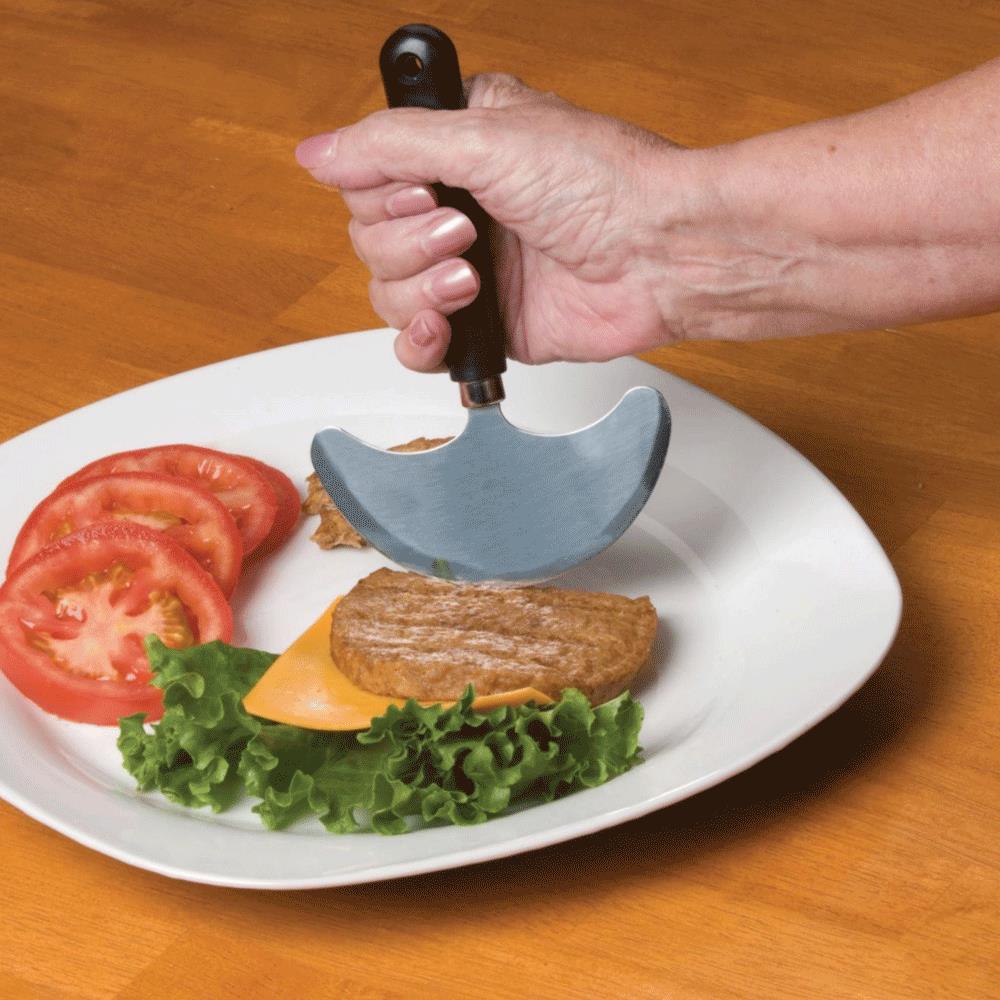
- This knife helps the user cut their food with one hand.
- Best for people who have one-sided weakness or difficulty with fine motor control that inhibits them to cut food safely with both hands.
Universal cuff
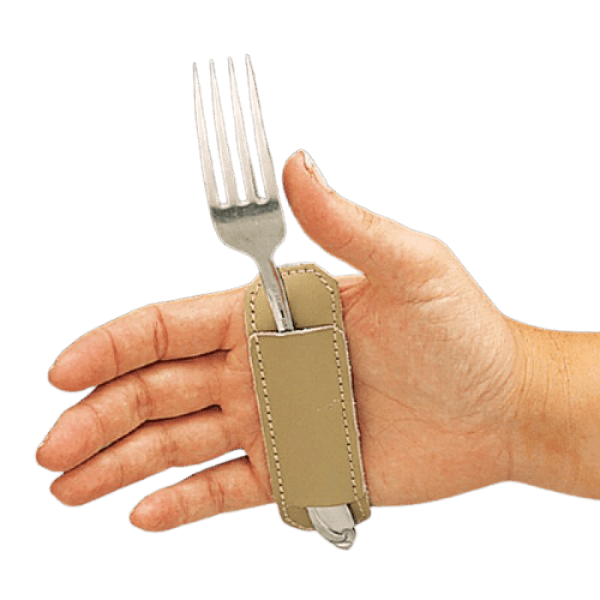
- Universal cuffs can be applied to many objects. Their overall purpose is to help the user grip the object.
- For people with hand/grip weakness. This allows the individual to feed themselves without having to close their hand and grasp the utensil.
Summary
- Communicate with the guest/host and ensure all needs are met before the start of the gathering. This will ensure comfort and confidence from everybody and allows everyone to focus on what’s most important: gathering with your loved ones during this blessed time and eating all the food!
- If a guest has dysphagia, make sure you know their specific diet level for both foods and liquids.
- Be mindful of mobility aids and the space and needs required for the person using them.
- Adaptive equipment can be helpful for certain needs, however if none is used, the individual may need assistance with feeding and eating their meal.
Happy Thanksgiving! May your hearts and bellies be full. ❤
-Dominique
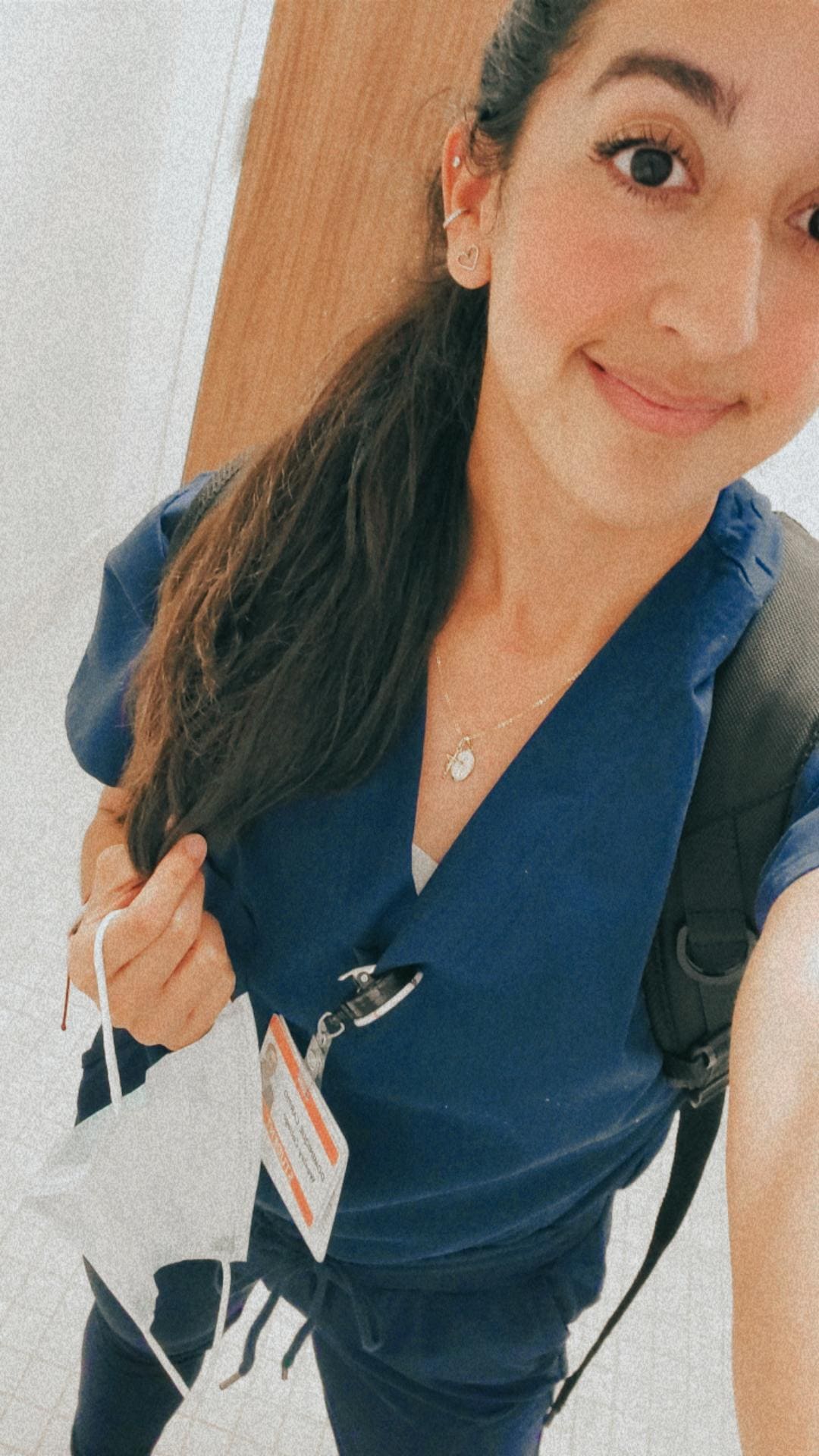 Hello and welcome to my first blog post! My name is Dominique and I am very excited and grateful that you are here reading this. I want this blog to be fun yet informational as it will include a variety of topics ranging between occupational therapy, fitness, and health! All of my favorite things.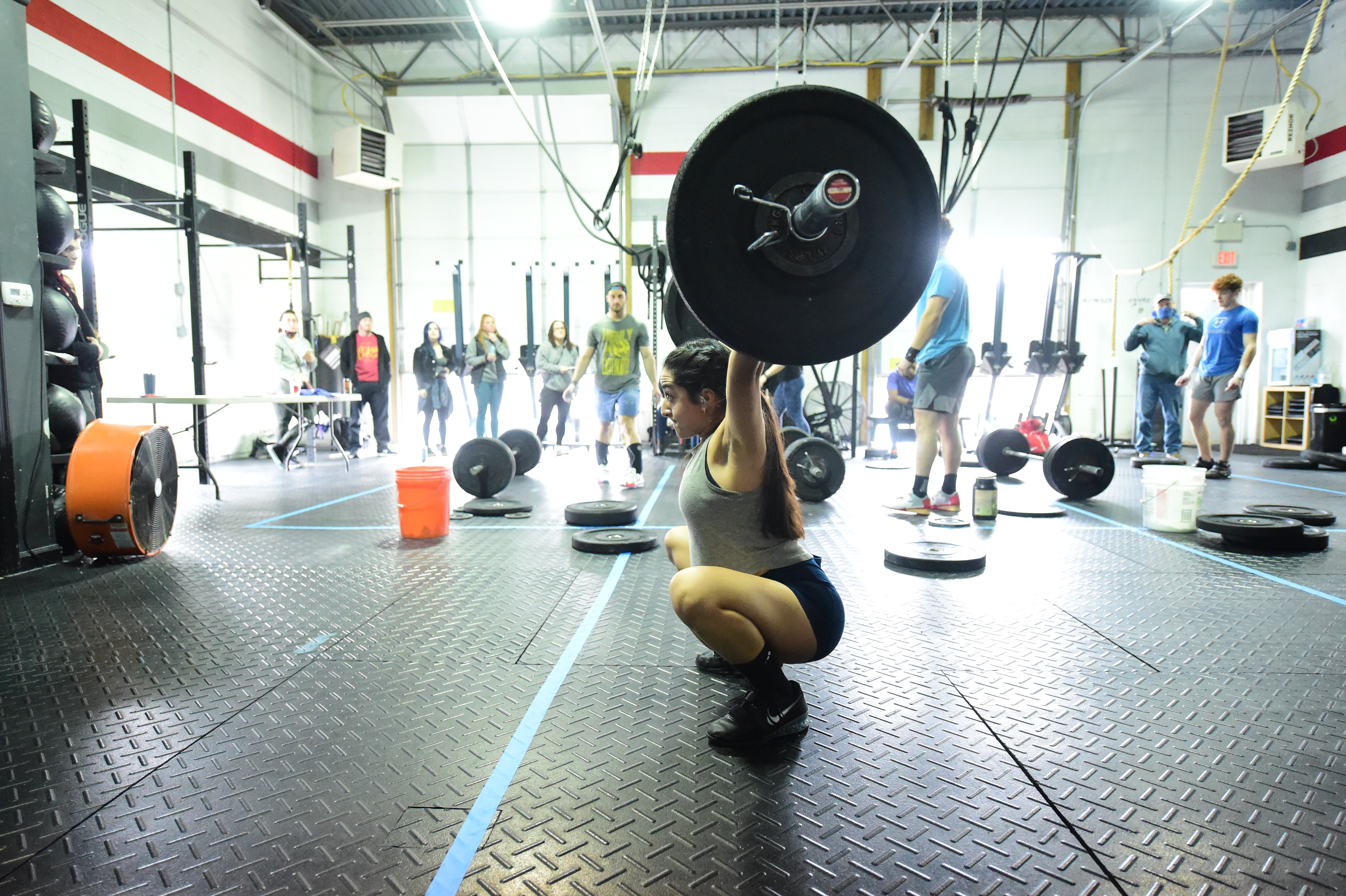
 The Uplifting OT